Factors Influencing Mobile Crusher Price in MalaysiaIntroduction: The Importance of Understanding Mobile Crusher Price Factors in Malaysia
- wohenkun77
- Feb 9
- 8 min read
Malaysia’s construction and mining industries have been booming in recent years, driven by the government’s “Twelfth Malaysia Plan” and large-scale infrastructure projects such as the East Coast Rail Link, which has sparked a surging demand for mobile crushers. As a flexible and efficient crushing equipment, mobile crusher Malaysia has become an indispensable tool in road construction, building renovation, sand and gravel production, and mineral resource mining. For purchasers in Malaysia—whether construction companies, mining enterprises, or small-scale operators—the mobile crusher price is a key consideration that directly affects investment costs and project profitability. However, the mobile crusher price in Malaysia is not fixed; it is affected by a variety of factors, including equipment specifications, brand strength, market supply and demand, import policies, and after-sales services. Understanding these influencing factors is crucial for purchasers to select cost-effective equipment and avoid unnecessary expenses, as well as for suppliers to formulate reasonable pricing strategies. This article explores in detail the core factors that influence mobile crusher price in Malaysia, integrates all specified key phrases, and combines the latest market dynamics to provide practical reference for relevant practitioners.

Equipment Specifications and Performance: The Fundamental Factor Determining Mobile Crusher Price
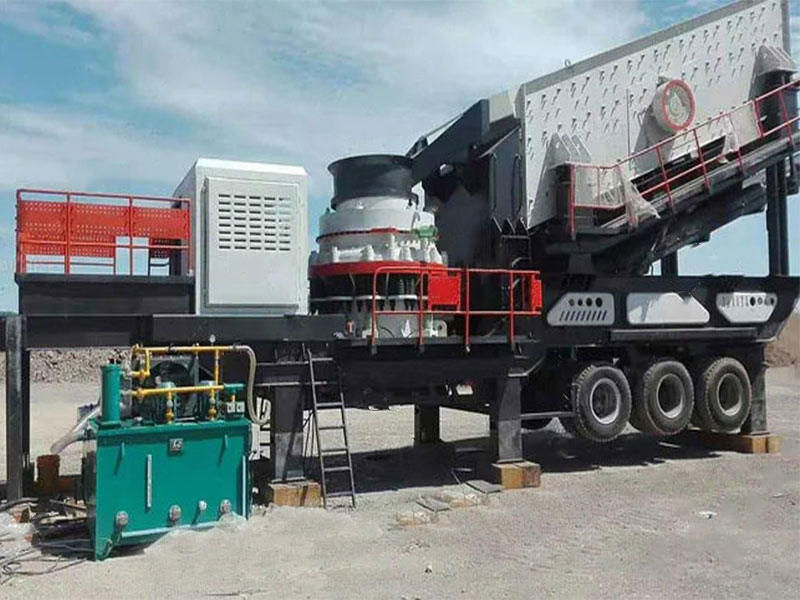
Equipment specifications and performance are the most fundamental factors affecting mobile crusher price in Malaysia, as they directly determine the crushing efficiency, applicable scenarios, and service life of the equipment. Mobile crusher Malaysia includes a variety of models, such as jaw-type mobile crushers, impact-type mobile crushers, and cone-type mobile crushers, with significant differences in specifications (feeding port size, crushing capacity, power configuration) and performance. For small-scale mobile crushers (with a crushing capacity of 10-50 tons per hour, suitable for small construction sites and rural road maintenance), the mobile crusher price is relatively affordable, usually ranging from MYR 80,000 to MYR 200,000. These models are compact, easy to move, and equipped with low-power motors (15-50kW), which are suitable for small-batch crushing needs and have low investment costs. For example, a small jaw-type mobile crusher Malaysia with a feeding port size of 300×400mm and a crushing capacity of 20-30 tons per hour is priced at around MYR 120,000, which is favored by small-scale operators. In contrast, medium-sized mobile crushers (with a crushing capacity of 50-100 tons per hour, suitable for urban construction and large-scale sand and gravel production) have a higher price, ranging from MYR 200,000 to MYR 500,000. These models are equipped with high-power motors (50-100kW), have better crushing performance, and can handle a variety of raw materials such as limestone and granite. Large-sized mobile crushers (with a crushing capacity of over 100 tons per hour, suitable for mining and large-scale infrastructure projects) are the most expensive, with a mobile crusher price ranging from MYR 500,000 to MYR 1.5 million. As seen in the recent batch delivery of Sunward Intelligent mobile crushers to Malaysia, these high-end large models are equipped with advanced technologies such as 5G intelligent control systems and integrated frequency conversion, which significantly improve operational efficiency and reduce costs, leading to higher pricing. In addition, equipment performance indicators such as crushing ratio, particle size adjustability, and energy consumption also affect the price—higher performance usually corresponds to a higher price.
Brand Strength and Origin: Influencing Price Premium and Reliability
The brand strength and origin of mobile crushers are important factors affecting mobile crusher price in Malaysia, as they are closely related to product quality, technical level, and after-sales support. The mobile crusher Malaysia market is mainly divided into three categories of brands: international well-known brands (such as Metso, Sandvik), Chinese leading brands, and local Malaysian brands. International brands have mature technologies, high product reliability, and perfect global after-sales service systems, so their mobile crusher price is usually 30%-50% higher than that of other brands. For example, a medium-sized cone-type mobile crusher from Metso is priced at around MYR 700,000, which is much higher than that of Chinese or local brands. Chinese leading brands, which have rapidly expanded their market share in Malaysia in recent years, offer a good balance between quality and price. Their mobile crusher price is 10%-30% lower than that of international brands, but their product quality and technical level are close to international standards. As evidenced by batch delivery of high-end mobile crushing equipment to Malaysia for road construction and stone yard production, Chinese brands are gaining recognition for their high performance and cost-effectiveness. Local Malaysian brands have the lowest mobile crusher price, usually 20%-40% lower than Chinese brands, but their product quality and technical level are relatively backward, with limited crushing capacity and a shorter service life. In addition, the origin of the equipment also affects the price—imported mobile crushers need to bear additional costs such as transportation fees and tariffs, while locally assembled or produced mobile crushers have lower costs and thus lower prices.
Market Supply and Demand and Industry Policies: Fluctuating Factors of Mobile Crusher Price
Market supply and demand and Malaysia’s industry policies are important fluctuating factors affecting mobile crusher price, as they directly affect the balance between market supply and demand and the cost of equipment production and import. In recent years, driven by Malaysia’s “Twelfth Malaysia Plan” and large-scale infrastructure projects, the demand for mobile crushers has surged, leading to a tight market supply and a 10%-20% increase in mobile crusher price in some periods. For example, during the peak construction season (usually from March to October), the demand for mobile crusher Malaysia increases significantly, and suppliers often raise prices due to insufficient inventory. Conversely, in the off-season (November to February), the demand decreases, and suppliers may offer preferential prices to attract customers, reducing the mobile crusher price by 5%-10%. In addition, Malaysia’s mining and construction industry policies also affect the price. For example, if the government strengthens environmental protection supervision and requires mobile crushers to meet higher emission standards, suppliers need to upgrade their equipment, increasing production costs and thus raising the mobile crusher price. Malaysia’s import policies also have a significant impact—changes in import tariffs, customs inspection fees, and exchange rates will directly affect the price of imported mobile crushers. For instance, if the Malaysian government reduces the import tariff on mobile crusher parts, the production cost of imported mobile crushers will decrease, leading to a slight reduction in mobile crusher price. Furthermore, the active mining of tin, aluminum, and rare earth resources in Malaysia has also driven the demand for mobile crushers in the mining sector, further affecting market supply and pricing dynamics.
Raw Material Costs and Production Technology: Indirect Factors Affecting Price
Raw material costs and production technology of mobile crushers are indirect but important factors affecting mobile crusher price in Malaysia, as they determine the production cost of suppliers. The main raw materials of mobile crushers include steel, cast iron, and wear-resistant materials (such as high-manganese steel, high-chromium alloy), and the price fluctuation of these raw materials directly affects the production cost of mobile crushers. For example, if the global steel price increases by 20%, the production cost of mobile crushers will increase by 8%-12%, and suppliers will usually pass on part of the cost to purchasers, leading to an increase in mobile crusher price. Production technology also affects the price—advanced production technology can improve production efficiency, reduce production costs, and improve product quality, thus affecting the pricing strategy. For example, mobile crushers produced by laser cutting, robot welding, and other advanced technologies have higher precision, better structural stability, and a longer service life, so their mobile crusher price is usually 15%-25% higher than that of equipment produced by traditional technologies. In addition, the integration of intelligent technologies (such as remote control, intelligent monitoring) into mobile crushers also increases production costs, leading to a higher price. As seen in high-end mobile crushers delivered to Malaysia, which are equipped with 5G intelligent control systems and remote operation functions, these advanced technologies have increased the equipment’s added value and thus its pricing.
After-Sales Service and Additional Services: Value-Added Factors of Mobile Crusher Price
After-sales service and additional services provided by suppliers are value-added factors affecting mobile crusher price in Malaysia, as they directly affect the user experience and the long-term operation cost of the equipment. Reliable after-sales service includes on-site installation and commissioning, operator training, spare parts supply, and on-site maintenance, which require suppliers to invest a lot of human, material, and financial resources. Therefore, suppliers that provide perfect after-sales service usually set a higher mobile crusher price—usually 5%-15% higher than that of suppliers with poor after-sales service. For example, a Chinese brand that provides 24-hour on-site maintenance service, free operator training, and a 2-year warranty has a mobile crusher price of around MYR 350,000 for a medium-sized model, while a supplier without perfect after-sales service offers a similar model at around MYR 310,000. Additional services provided by suppliers also affect the price, such as customized equipment design (according to the specific needs of Malaysian purchasers), door-to-door delivery, and long-term technical support. For example, if a purchaser needs a mobile crusher Malaysia customized for tropical climate conditions (with better heat dissipation performance), the supplier will need to adjust the equipment design, increasing production costs and thus raising the mobile crusher price by 10%-15%. In addition, suppliers that provide timely supply of spare parts also have a slight price advantage, as purchasers are willing to pay a premium to avoid production delays caused by the lack of spare parts.
Equipment Configuration and Accessories: Detailed Factors Affecting Price Differences
The specific configuration and accessories of mobile crushers are detailed factors affecting mobile crusher price differences in Malaysia, as different configurations and accessories correspond to different functions and costs. The basic configuration of a mobile crusher includes a crushing chamber, rotor, motor, and chassis, but additional configurations and accessories can significantly affect the price. For example, mobile crushers equipped with a pre-screening device (to remove impurities and small particles in raw materials) have a higher price—usually MYR 20,000-MYR 50,000 higher than those without. A dust removal device, which is increasingly required in Malaysia due to environmental protection policies, can increase the mobile crusher price by MYR 15,000-MYR 40,000. In addition, the type and quality of accessories also affect the price—high-quality wear-resistant accessories (such as crushing hammers, liners made of high-chromium alloy) can extend the equipment’s service life but increase the mobile crusher price by 10%-20% compared to ordinary accessories. The type of chassis also affects the price—tracked mobile crushers, which have better mobility and can adapt to harsh construction environments (such as muddy and uneven mining sites), have a mobile crusher price 20%-30% higher than that of wheeled mobile crushers. For example, a tracked jaw-type mobile crusher Malaysia with a crushing capacity of 50-60 tons per hour is priced at around MYR 350,000, while a wheeled model of the same capacity is priced at around MYR 280,000. These configuration and accessory differences allow purchasers to choose equipment according to their actual needs and budget, but they also lead to significant price differences in the market.
In conclusion, the mobile crusher price in Malaysia is comprehensively affected by equipment specifications and performance, brand strength and origin, market supply and demand and industry policies, raw material costs and production technology, after-sales service and additional services, and equipment configuration and accessories. These factors interact with each other, determining the final price of mobile crusher Malaysia. For purchasers, understanding these factors can help them clarify their needs, compare different suppliers, and select cost-effective equipment that matches their project scale and budget. For suppliers, grasping these factors can help them formulate reasonable pricing strategies, improve product competitiveness, and adapt to the changing Malaysian market. As Malaysia’s infrastructure construction and mining industry continue to develop, the demand for mobile crushers will remain strong, and the factors affecting mobile crusher price will become more complex, requiring all relevant parties to pay close attention to market dynamics and make rational decisions.


Comments