How Long Does It Take for Marble Crusher to Finish Crushing One Office Building’s Marble Construction Waste
- wohenkun77
- Aug 15, 2025
- 4 min read
When processing marble debris from the demolition or renovation of an office building, the efficiency of the equipment becomes a critical factor for both project timelines and cost control. A marble crusher is specifically designed to handle the hardness, density, and brittleness of marble, turning bulky waste into reusable aggregate. In modern urban redevelopment, marble waste is a frequent byproduct due to the popularity of marble in flooring, wall panels, and decorative facades. By integrating the marble crusher into a construction waste crushing plant, contractors can manage the material on-site, eliminating the need for costly and time-consuming transportation to disposal facilities. However, determining exactly how long it will take to process the marble from one office building depends on multiple factors such as the volume of waste, the capacity of the crushing plant, the type of crusher used, and operational efficiency.

Volume of Marble Waste Generated
An average mid-sized office building with extensive marble finishes can generate anywhere from a few hundred to several thousand tons of marble waste, depending on the structure’s size, interior design, and the scope of demolition. Floors covered in thick marble tiles, wall cladding, staircases, and countertops all contribute to the total waste volume. The more marble waste there is, the longer the marble crusher will take to finish processing it. A construction waste crushing plant equipped with high-capacity feeders and conveyors can handle this more efficiently, but even with advanced systems, large-scale demolition sites can still require several days of continuous operation.
Capacity and Throughput of the Marble Crusher
The processing time is heavily influenced by the marble crusher’s throughput capacity, usually measured in tons per hour (TPH). Smaller crushers with a capacity of 20–50 TPH are suitable for minor renovation projects but will take significantly longer to process an entire office building’s marble waste. In contrast, industrial-grade crushers in a construction waste crushing plant can exceed 200–400 TPH, dramatically reducing the processing time. For instance, a crusher capable of handling 250 TPH could theoretically process 1,000 tons of marble waste in just four hours under optimal conditions, though real-world factors often extend this estimate.
Crusher Type and Efficiency
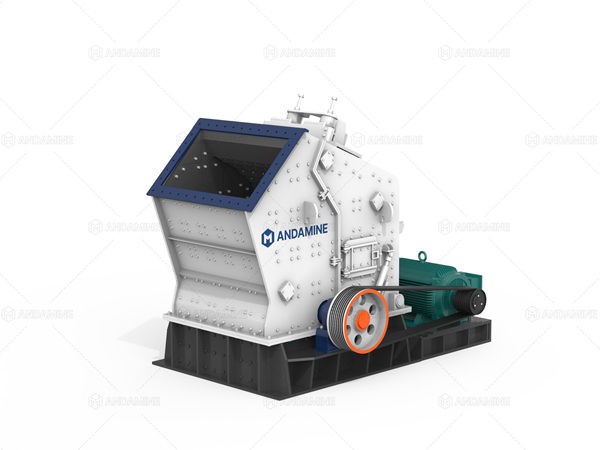
The choice between jaw crushers, impact crushers, and cone crushers also affects how quickly the waste is processed. Jaw crushers are excellent for primary crushing, breaking down large marble slabs into smaller pieces quickly, but they may require secondary crushing for finer output. Impact crushers offer faster reduction ratios, producing uniform aggregate suitable for immediate reuse in construction. In a construction waste crushing plant, a combination of crusher types often works best, with the marble crusher handling the primary reduction and other equipment refining the output. The efficiency of this arrangement can shorten the total crushing time considerably.
Material Preparation and Handling
The speed of marble waste processing is not just determined by the crusher itself. Proper material preparation—removing rebar, sorting large slabs, and ensuring a steady feed rate—is essential. In cases where marble is mixed with other demolition debris such as concrete or metal, pre-sorting is necessary to avoid damaging the crusher or reducing its efficiency. A well-organized construction waste crushing plant uses vibrating feeders, magnetic separators, and screening units to ensure that the marble crusher operates at peak performance without frequent stoppages. Poor material handling can easily double the time it takes to finish crushing all the marble from one office building.
Moisture and Environmental Factors
Weather conditions also play a role. Marble waste becomes slippery when wet, which can cause feeding issues in the crusher and slow down operations. In rainy or humid climates, the crushing plant may need to operate at a reduced speed to prevent blockages. Dust control systems, while necessary for worker safety and environmental compliance, can also slightly slow throughput if not optimized. A high-quality marble crusher within a modern construction waste crushing plant is designed to handle such environmental challenges without significant downtime, but project managers still need to account for these delays when estimating completion time.
Operator Skill and Plant Management
Even with top-tier equipment, the efficiency of marble crushing depends on operator skill and plant management. Experienced operators know how to adjust feed rates, crusher settings, and conveyor speeds to maintain continuous output without overloading the system. In a well-run construction waste crushing plant, the marble crusher will operate close to its rated capacity for extended periods, drastically reducing the total time needed to process all the waste. Poorly managed operations, on the other hand, can see frequent stoppages, equipment wear, and unnecessary downtime, stretching a one-day job into several days.
Real-World Time Estimates
In practical terms, if an office building generates around 1,500 tons of marble waste, a mid-range marble crusher working alone at 100 TPH would require roughly 15 hours of actual crushing time. Factoring in breaks, material handling, sorting, and possible delays, the project might take two full working days. A larger construction waste crushing plant with a high-capacity marble crusher could complete the same job in less than a single day, while smaller, mobile setups might need up to four days. Ultimately, the timeframe depends on balancing waste volume, equipment capacity, and operational efficiency.
Benefits of On-Site Crushing
Crushing marble waste on-site has advantages beyond just speed. A marble crusher integrated into a construction waste crushing plant allows the immediate reuse of crushed marble as aggregate in road base, concrete mixes, or landscaping projects. This not only reduces disposal costs but also supports sustainable construction practices. Additionally, by processing material on-site, contractors can avoid transportation delays and keep project schedules on track. These benefits often outweigh the upfront investment in a high-capacity crushing plant, especially for large-scale demolition projects in urban environments.
Final Thoughts
Estimating exactly how long it takes for a marble crusher to finish processing one office building’s marble construction waste requires considering waste volume, crusher capacity, plant configuration, and operational efficiency. In the best-case scenario, a well-managed construction waste crushing plant with a high-throughput marble crusher can complete the job in less than a day. Smaller or less efficient setups may require multiple days, especially when dealing with mixed materials or challenging site conditions. By selecting the right equipment, optimizing material handling, and ensuring skilled operation, contractors can significantly reduce crushing time, minimize costs, and maximize the value recovered from marble construction waste.
If you want, I can also include a time-and-capacity calculation chart for different marble crusher setups so readers can visually estimate project duration. That could make this even more practical.


Comments