What Are the Differences Between Marble Crusher and Stone Crusher
- wohenkun77
- Sep 9, 2025
- 4 min read
In the construction and mining industries, crushing equipment plays an essential role in transforming raw materials into usable aggregates. Machines like the marble crusher and the general stone crusher are often mentioned together, but they are not exactly the same. While they may appear similar in design and function, the materials they handle, their operational requirements, and the end products they produce can vary significantly. Understanding these differences helps contractors, manufacturers, and buyers make better decisions when choosing equipment for specific projects.

Understanding the Basic Function of a Stone Crusher
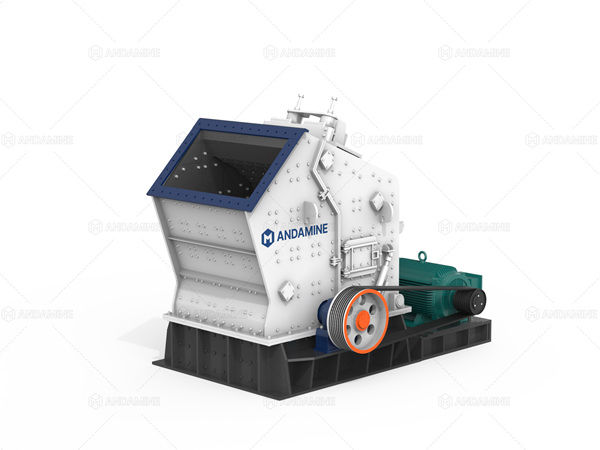
A stone crusher is a general term for machines that reduce large rocks into smaller particles for use in construction, road building, or other applications. There are several types of stone crushers, including jaw crushers, cone crushers, impact crushers, and hammer crushers. Each type has a slightly different working principle, but the main purpose remains the same: to apply mechanical force to break down stones into smaller, more manageable sizes. Stone crushers can process a wide variety of rocks, such as limestone, granite, basalt, and river gravel, making them versatile and widely used across different industries.
What Makes a Marble Crusher Different
The marble crusher is a specialized type of stone crusher designed specifically to handle marble, a metamorphic rock formed from limestone under high pressure and temperature. Marble has unique physical and chemical properties, including its smooth texture, relatively lower hardness compared to granite, and its ability to take a high polish. These characteristics mean that marble requires careful crushing to avoid producing too much fine powder or damaging the natural patterns that give it commercial value. A marble crusher is often optimized with adjustable settings and more precise crushing chambers to ensure that the final product retains its quality, especially when used for decorative or architectural applications.
Material Differences: General Stones vs. Marble
One of the main differences between a stone crusher and a marble crusher comes from the raw materials they process. A stone crusher can handle many kinds of rocks with varying hardness levels, from soft limestone to very hard granite. By contrast, a marble crusher focuses primarily on marble, which is softer and more brittle compared to other stones. Crushing marble requires less force, but the challenge lies in maintaining the integrity of the stone’s natural veining and patterns. Using a standard stone crusher on marble may lead to excess fragmentation and waste, making it less suitable for projects that demand high-quality decorative marble aggregates.
Equipment Design and Features
Another difference lies in the equipment design. General stone crushers are built to withstand high impact and heavy loads because they are often used on tougher materials like granite and basalt. They tend to be larger, with reinforced components and stronger wear-resistant parts. A marble crusher, on the other hand, is designed with more delicate handling in mind. It may feature smoother crushing surfaces, adjustable discharge openings, and lower-speed operation to ensure marble is broken down in a controlled manner. This design helps minimize the risk of excessive dust or damage to the marble’s natural aesthetic.
Applications of Stone Crusher vs. Marble Crusher
The final products of these two machines also highlight their differences. Crushed products from a stone crusher are typically used as aggregates for road construction, railway ballast, foundation filling, and concrete production. The goal here is functionality and durability, not appearance. In contrast, a marble crusher produces crushed marble used for decorative purposes, landscaping, terrazzo flooring, and architectural finishes. Crushed marble is also used in producing marble chips and powders for chemical, agricultural, or industrial applications. The focus is not just on reducing the marble into smaller pieces but on preserving its value as a decorative or specialized material.
Cost and Maintenance Considerations
When comparing a marble crusher with a stone crusher, cost and maintenance also differ. Stone crushers must be built tough to handle a wide variety of materials, which often makes them more expensive to manufacture and maintain. They require stronger parts and frequent replacement of wear-resistant liners when processing harder materials. A marble crusher, however, tends to face less wear and tear due to the softer nature of marble, which may reduce operational costs. That said, operators need to be cautious about maintaining consistent quality in marble crushing, since even slight equipment misalignments can affect the end product’s appearance and commercial value.
Choosing Between Marble Crusher and Stone Crusher
For buyers or contractors, the choice between a stone crusher and a marble crusher comes down to the type of project and the raw material being processed. If the goal is to produce aggregates for general construction, a stone crusher is more suitable because of its versatility and strength. However, if the project involves decorative marble applications, investing in a specialized marble crusher is the better option. Attempting to process marble with a standard stone crusher may lead to unnecessary material loss and reduced market value of the crushed product.
Future Trends and Developments
As technology advances, manufacturers are working on improving both marble crushers and stone crushers to make them more efficient and environmentally friendly. New designs include dust suppression systems to minimize air pollution, energy-efficient motors to reduce operating costs, and automated controls for precise adjustments. In the marble sector, crushers are being designed with even more refined settings to ensure the preservation of marble’s natural patterns. For general stone crushers, the trend leans toward increasing capacity and durability to handle tougher materials more effectively.
Conclusion
While the marble crusher and the stone crusher share a similar purpose of breaking down raw materials into smaller pieces, their applications, designs, and outcomes are quite different. A stone crusher is a versatile machine used for producing functional aggregates for construction and infrastructure, while a marble crusher is specialized to preserve the unique characteristics of marble for decorative and industrial uses. Understanding these differences helps buyers, contractors, and operators select the right equipment for their needs, ensuring efficiency, cost-effectiveness, and the best possible end product. By recognizing the specific roles of each machine, companies can maximize the value of their resources and improve overall project outcomes.


Comments